
more about
Cypress Timber
Which Cypress?
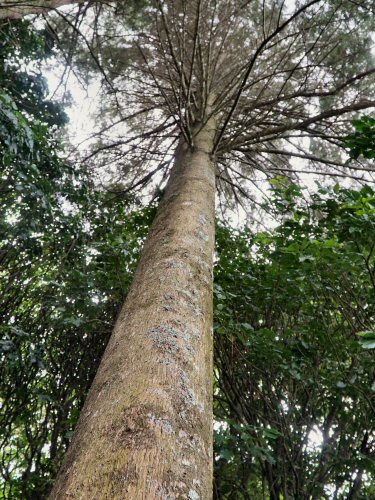
Cupressus lusitanica, (here after lusitanica or C. lusitanica) because of its excellent and unique wood properties as a timber species. These properties mean it can provide most solid wood components of our New Zealand homes. With this goes other important attributes, namely good growth rates and good health over a wide range of New Zealand sites.
A Short History
The cypresses have been grown in NZ since the 1860s. This was the beginning of the period in which NZ was trying to identify candidate tree species that might replace the dwindling heavily exploited native forest species. Radiata pine, with its rapid growth and short rotation was the ultimate winner particularly as its lack of natural durability could be remedied by a stiff cocktail of some very toxic chemicals.
It was also recognised that several of the Cypress species had considerable potential to satisfy many of the end uses where special wood properties were required. Early winners were the two Cupressus species (Cupressus lusitanica and C. macrocarpa) and Lawsons Cypress (Chamaecyparis lawsonia). Modest plantations of these species have been established from the mid 1900’s but the short rotation high yielding pines have dominated plantation forestry and the associated utilization industry. Of the Cypresses, C. lusitanica has proven most suited to the North Island growing conditions. Cupressus macrocarpa has almost identical properties but is disadvantaged in the North Island by its susceptibility to the cypress canker disease. Our business is largely based on Cupressus lusitanica although we do grow and supply other valuable species.
Why Cypress
Which Wood Properties make Cupressus lusitanica so special?
Natural Durability
Appearance
Stability
Wood Properties
Natural Durability
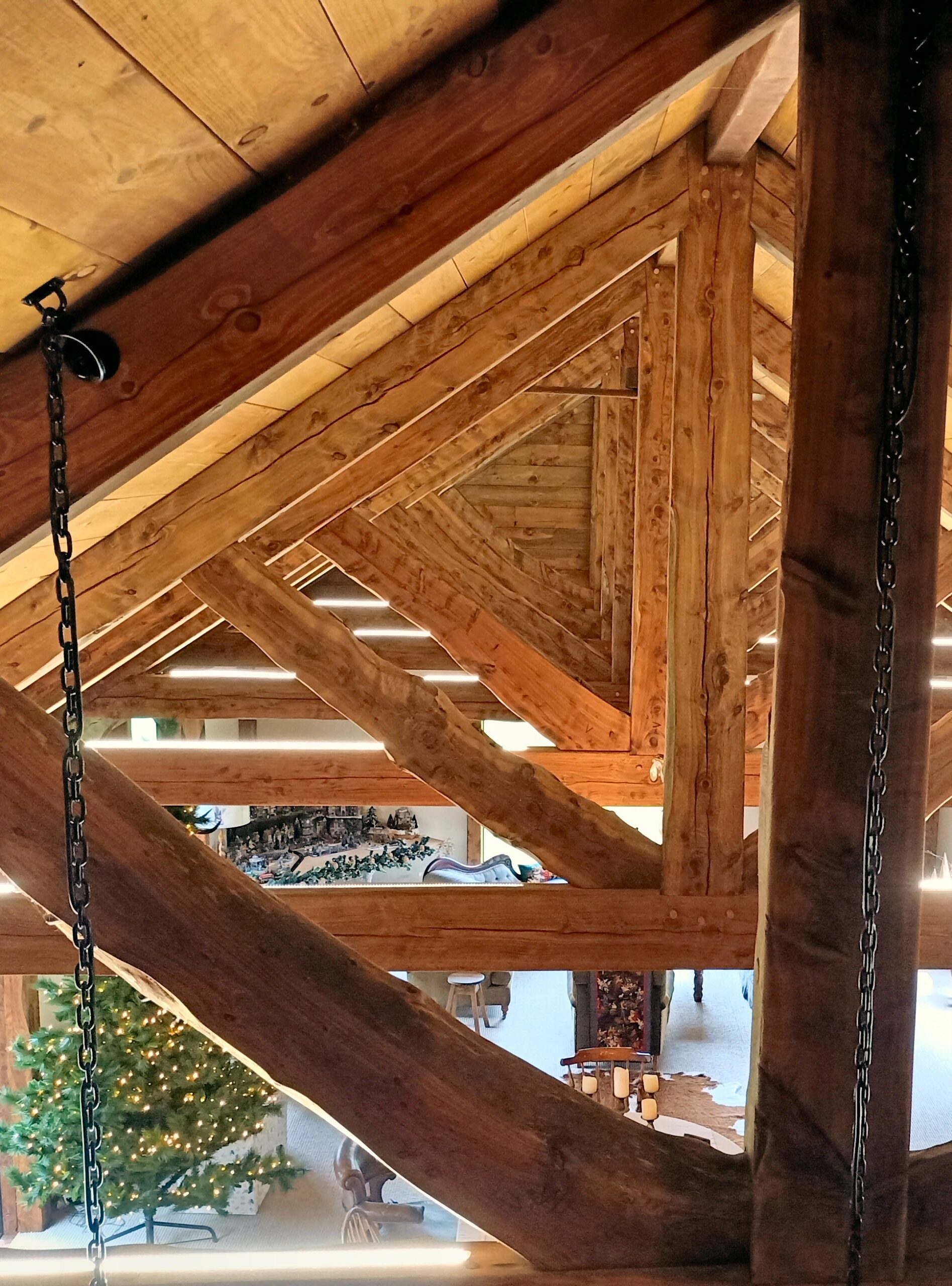
We consider that this is one of the most important properties of C. lusitanica. It means most of a house can be built without any fungicide or insecticide chemicals. We have in fact been living in our house built 40 years ago from untreated lusitanica timber (check out this link if you want to know more). C. lusitanica heartwood is rated as moderately durable in ground contact lasting 10-15 years. Sapwood can be used for interior uses provided it is kept dry. We have not witnessed any degrade in the interior of our 40 year old house.
Appearance
C. lusitanica is a light to medium density timber with a fine even texture and a Kauri like appearance. Like Kauri, it has a golden lustrous colouration with a slightly lighter shade for the sapwood. Also like Kauri it can display an attractive speckled grain resulting from cutting through its ray cells in the tangential plane at sawing or machining.
Stability
C. lusitanica has the lowest shrinkage of the three main cypress species. Shrinkage from green to 12% moisture content is; Tangential 2.6% and Radial 1.4%. In service, it has better dimensional stability than radiate pine.
Wood Properties
Generally the cypresses sit with radiate pine and NZ Kauri for many of the important wood working properties. C. lusitanica has quite uniform wood properties throughout the stem. In contrast radiata pine has variable properties within the stem’s radial axis resulting in greater strength, stability and surface hardness in outer wood and the reverse closer to the large loose pith.
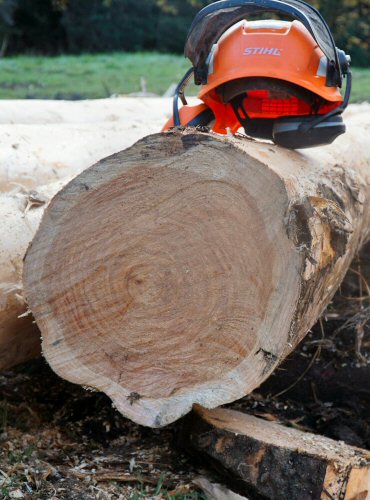
At Bay Cypress we are harvesting 40 year old cypress stands. All are high pruned so a large portion of our timber is clear and Heartwood. We have also managed branch size and condition in upper logs by frequent light thinning so our knotty grades have small ‘tight’ knots.
Clear and knotty grades
- ‘no branches’ resulting from high pruning (results in clear grades of which a high proportion are heartwood)
- fine live branches resulting in tight intergrown knots
- dead branches which result in bark encased knots and
- large branches either live or dead resulting in large knots.
Surface Coating
Cupressus lusitanica used externally either as ‘rough sawn’ or machined timber can be left to weather naturally. As such it will weather naturally to a silver grey over one to several years. Weathering may mean some surface mould develops but this will depend on the local climate and it can be removed with a ‘wash’ liquid. Leaving the surface to weather is a matter of taste and convenience.
Coating. There are many good oil and stain products available. Such coatings may extend the life of the timber but sufficiently dry timber that meets the required grade will behave very adequately. (In the Case Study house the rough sawn untreated cladding timber has been mostly fit for purpose for 40 years.)
Brush on products are available to clean mould and also to stain and oil the timber surface to taste. You may choose to order pre-coated timber (sides and ends). Manufacturers recommend a second coat within around 3 months and the third coat in around 18 months. Thereafter a coating should be applied within around a 5 year period.
We have been impressed with the products of the Natural House Company. See www.naturalhouse.co.nz for product list for both external and internal coating oils and stains and for general information.